
What Are Some Budgeting and Saving Tips for Parents and College Students?
Published by: Christie Golenski, Marketing Manager
With the school year approaching, families are juggling tuition, supplies, and everyday expenses all at once. This guide covers budgeting and saving tips for parents and college students, including the 50/30/20 rule, how to avoid credit card debt, and how to build an emergency fund together. Stop by OHecu or contact us to set up the right accounts before move-in day.
Back-to-school season sneaks up fast, and this year families are feeling it in their wallets. Parents plan to spend an average of $489 per child on back-to-school shopping in 2026, which is up more than 11% from last year. For families with kids headed to college, the costs go even higher once you add tuition, housing, and books to the list. That's why budgeting and saving tips for parents and college students matter so much right now. With the school year fast approaching, having a plan in place isn't just helpful, it's necessary. The good news is that you don't need a finance degree to get organized. You just need a few smart habits and a plan you and your student both understand.
What's the Easiest Budgeting Method for College Students?
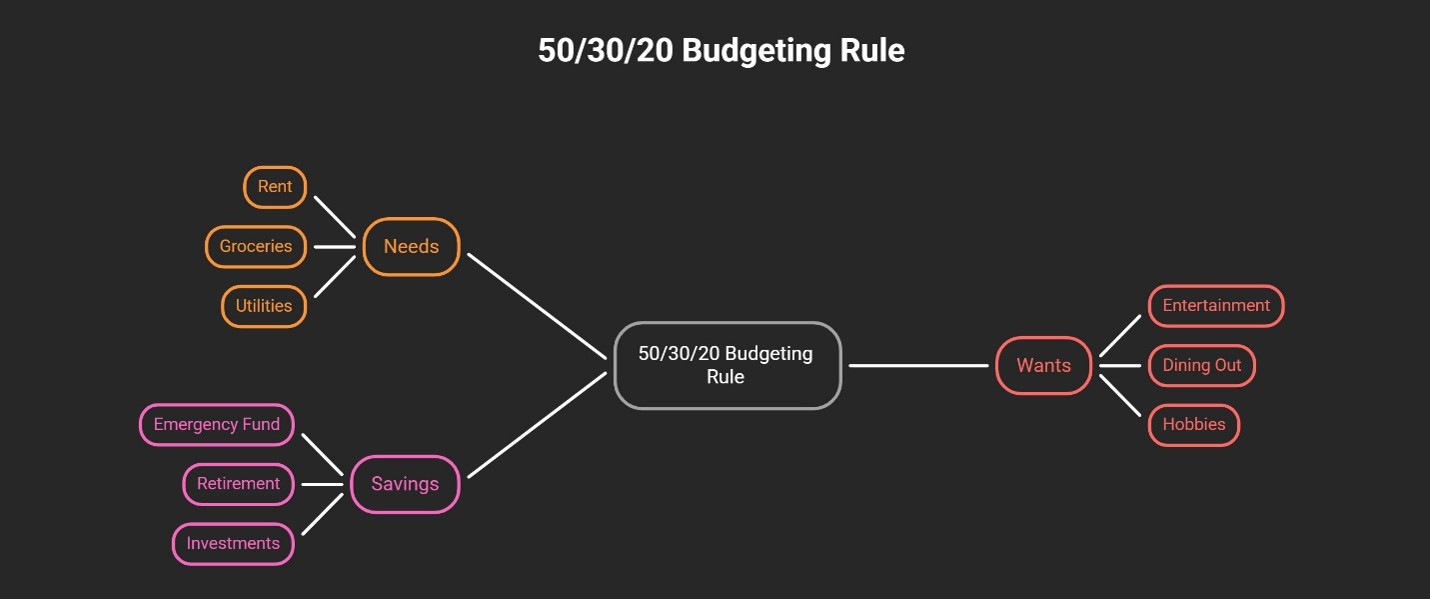
The easiest budgeting method for most college students is the 50/30/20 rule. It splits your monthly income into 50% for needs, 30% for wants, and 20% for savings. This simple structure gives students a clear starting point without needing to track every single purchase by hand.
Needs cover things like rent, groceries, and phone bills. Wants cover things like eating out or streaming subscriptions. Other options like the Pay Yourself First method or a Zero-Based budget can work too, but BestColleges notes the 50/30/20 rule tends to be the easiest for beginners to stick with. Students may need between $26,150 and $39,030 for the 2026-27 academic year, depending on the school, so building a monthly budget around that total makes the number feel much less overwhelming.
Set Up the Right Accounts Before the Semester Starts
Before your student packs a single box, get their banking set up. A student-friendly checking account makes it easy for them to manage everyday spending without hidden fees eating into their budget. Fulton Bank reports that nearly half of college students don't feel prepared to manage money on their own, so getting the basics in place early can make a real difference.
If your student is still in their teens, OHecu's Practical Money Skills resources offer a great way to introduce them to banking with guidance built in. Setting up mobile banking access also lets you check in together on balances without hovering over every purchase.
How Can Students Avoid Credit Card Debt in College?
Students can avoid credit card debt by using a debit card for everyday purchases and saving credit for true emergencies only. This keeps spending tied to money that's actually in the account, which prevents balances from piling up before the first tuition bill even arrives.
Credit card debt among students can be a real problem. An OHecu VISA debit card gives students the convenience of a card without the risk of a growing balance. If your student wants to start building credit, wait until they have steady income and a clear plan to pay the balance in full each month.
Build an Emergency Fund as a Family
Even a small emergency fund can prevent a minor setback from becoming a major financial stress. Encourage your student to save a starter goal of $500 before the semester begins. This covers things like a car repair, a lost textbook, or an unexpected medical copay without derailing the rest of their budget.
A savings account built specifically for emergencies keeps that money separate from everyday spending. Once your student has a steady rhythm of saving, moving extra funds into a term share certificate can help that cushion grow a little faster while staying safe and accessible.
Smart Ways to Cut Back-to-School Costs Without Cutting Corners
You don't have to spend less quality time preparing for the school year just because you're spending less money. Families are getting creative this year. About 28% of parents plan to reuse existing school supplies instead of replacing them, and roughly 14% plan to buy secondhand where they can.
Other easy wins include using student discounts on software and textbooks, checking the campus library for course materials before buying new, and comparing prices across a few stores before committing to a big purchase. Small changes like these add up fast, especially when you're covering costs for more than one child.
How Often Should Families Talk About Money?
Families should talk about money at least once a month, and always before a new semester begins. Regular check-ins keep everyone on the same page about spending expectations, upcoming costs, and how the budget is holding up.
NBC Securities reports that students who receive financial education are three times more likely to maintain good credit later on. These conversations don't need to be long or formal. A quick chat about what's coming up, like a book rental deadline or a club fee, can prevent a lot of stress down the road. Free tools like OHecu's Practical Money Skills resources can give you a shared starting point for these talks.
Getting ready for the school year doesn't have to feel overwhelming. Start with a clear number for back-to-school costs, pick a simple budgeting method like the 50/30/20 rule, and get the right accounts in place before your student heads to campus. A small emergency fund and regular money talks go a long way toward keeping everyone confident all semester long.
You don't have to figure this out alone. Our team is here to help you find the right checking, savings, and debit options for your family's needs. Contact us today or stop by a local branch, and let's build a budgeting plan that will get your family ready for the year ahead.

« Return to "News & Announcements"