
How Do I Protect My Accounts From Fraud?
Published by: Christie Golenski, Marketing Manager
Protecting your credit union and bank accounts from fraud starts with a few simple habits. Monitor your accounts regularly, turn on transaction alerts, use strong and unique passwords, and never share your login information or security codes. Be careful with unexpected calls, texts, and emails that claim to be from your financial institution. If something looks suspicious, stop. Then verify the request using an official OHecu contact method, and report it right away.
Fraud can happen to anyone. A message that looks like it came from your credit union can arrive on your phone in seconds. Before you know it, you may be asked to click a link, confirm a transaction, or provide a security code.
So, how do I protect my accounts from fraud?
The good news is that you don't need to be a cybersecurity expert to protect your money. A few simple habits can make it much harder for scammers to access your accounts.
Fraud and impersonation scams continue to be a serious problem. The Federal Trade Commission's 2025 fraud data shows that consumers reported losing $3.5 billion to imposter scams in 2025. Bank impersonation scams were among the costliest types.
Scammers also aren't afraid to pretend they're from your financial institution. In fact, OHecu has warned members about fraudulent calls and texts from people impersonating OHecu employees.
Knowing what to look for is your first line of defense.
What are the Best Ways to Protect My Accounts from Fraud?
Protecting your credit union and bank accounts starts with monitoring your money, securing your login information, and being careful about who you trust with your financial information. Turn on account alerts, use strong passwords, enable multifactor authentication when available, and contact your financial institution if something doesn't look right.
Here are some of the most important steps you can take:
- Monitor your accounts regularly. Check your transactions and balances so you can spot unusual activity.
- Turn on account alerts. Alerts can help you notice purchases or other activity you don't recognize.
- Use strong, unique passwords. Don't use the same password for your financial account and other websites.
- Turn on multifactor authentication when available. This adds another layer of protection beyond your password.
- Never share passwords or security codes. Your financial institution should not need you to give these to an unexpected caller or text.
- Be cautious with links. Don't click links in unexpected emails or text messages asking you to verify account information.
- Keep your contact information current. Make sure your financial institution can reach you if it needs to contact you.
- Report suspicious activity quickly. Don't wait if you think someone has accessed your account.
OHecu's Online & Mobile Banking gives members 24/7 access to their accounts, making it easier to check balances and monitor transactions.
The goal isn't to live in fear of fraud. It's to make account security part of your normal financial routine.
How Can I Tell If a Call, Text, or Email is a Fraud Attempt?
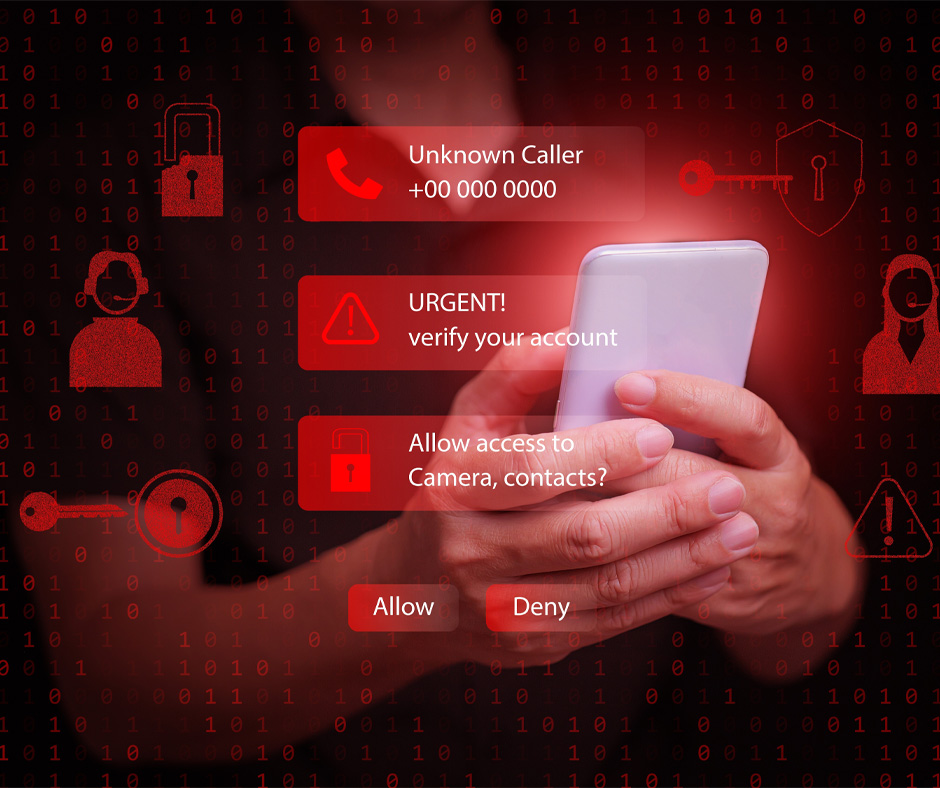
Unexpected requests for money, account information, passwords, or security codes should be treated with caution. Scammers often pretend to be someone you trust and create a sense of urgency so you act before you have time to think.
A message may say that your debit card was used for a suspicious purchase. It may tell you that your account has been locked. It may even provide a phone number for you to call.
That doesn't mean the message is real.
The Consumer Financial Protection Bureau says common warning signs include requests for personal or financial information, pressure to act quickly, and someone pretending to be a person or organization you trust.
Scammers can also make their messages look convincing. They may use logos, familiar names, or phone numbers that appear legitimate.
OHecu has specifically warned members about scammers spoofing OHecu phone numbers and impersonating OHecu employees. Some members have received texts claiming to be from the OHecu Fraud Department.
If you receive a suspicious message claiming to be from OHecu:
- Don't click any links.
- Don't respond to the message.
- Don't provide account information.
- Don't give the caller a password or security code.
- Hang up if the call seems suspicious.
- Contact OHecu directly using a trusted phone number.
Remember, caller ID isn't proof that a call is legitimate. A scammer may be able to make a call appear to come from a familiar phone number.
When in doubt, slow down. Taking a few minutes to verify a request could save you a lot of trouble.
Use Account Alerts to Quickly Catch Suspicious Activity
One of the easiest ways to protect your accounts is to know what's happening in them. Account and card alerts can help you spot transactions you don't recognize sooner.
OHecu offers account alerts through Visa Purchase Alerts. Members can receive notifications by text message or email and customize the types of purchases that trigger an alert. Options include online or phone purchases, international purchases, declined purchases, and purchases that reach a selected amount.
Think of alerts as an extra set of eyes on your account.
For example, imagine you receive a notification for a purchase you didn't make. Instead of discovering the transaction days later when you review your statement, you can investigate it right away.
It's also a good idea to check your account even when you don't receive an alert. Regularly reviewing your transactions can help you recognize unusual activity.
OHecu's Checking Accounts also provide 24/7 account access through Online & Mobile Banking, making it easier to monitor your finances.
The more familiar you are with your normal account activity, the easier it can be to notice something that doesn't belong.
What Should I Do if I Receive a Suspicious Message from My Credit Union?
Don't respond, click a link, provide account information, or share a one-time security code. Stop the conversation and contact your credit union directly using a phone number or website you already know is legitimate.
This is especially important when someone says they are trying to "protect" your account.
The FBI has warned about account takeover scams where criminals impersonate employees of financial institutions. Since January 2025, the FBI's Internet Crime Complaint Center has received more than 5,100 complaints involving this type of fraud, with reported losses exceeding $262 million.
In these scams, criminals may use a phone call, text message, email, or fake website to convince someone to provide login credentials or a multifactor authentication code.
That last part is important.
Never assume a security code is safe to share just because the person calling you says they're from your financial institution.
If you receive an unexpected message about your account, open your financial institution's website yourself or use a phone number from an official statement or website. Don't use the phone number or link included in the suspicious message.
The CFPB also recommends contacting your financial institution through an official phone number or website rather than using contact information provided in a suspicious communication.
Contact OHecu directly if you have questions about a suspicious communication. The Member Service Center can help verify whether a communication is legitimate and provide assistance if you believe your account information may have been compromised.
Protect Your Login Information and Devices
Strong passwords are important, but they shouldn't be your only line of defense. Use a unique password for your financial accounts and turn on multifactor authentication whenever it's available.
Multifactor authentication, often called MFA, requires more than one way to verify your identity. For example, you may enter your password and then confirm your identity with a code, authentication app, fingerprint, or facial recognition.
The Cybersecurity and Infrastructure Security Agency recommends multifactor authentication because it adds another layer of protection beyond a password.
You should also take care of the devices you use for banking.
Keep your phone, computer, apps, and web browser updated. Security updates can help protect devices from known vulnerabilities.
Be careful about where you log in to your financial accounts, too. Avoid entering sensitive information on unfamiliar websites or through links in unexpected messages.
A few simple habits can make a difference:
- Use a different password for your financial accounts.
- Consider using a password manager to create and store strong passwords.
- Turn on multifactor authentication when available.
- Don't save financial passwords on shared or public computers.
- Keep your devices and apps updated.
- Don't click unexpected links asking you to log in.
- Never share your password or verification code with someone who contacts you unexpectedly.
CISA's consumer guidance also recommends strong passwords, password managers, recognizing phishing attempts, and using multifactor authentication as basic steps for improving online security.
What Should I Do if I Think Someone Accessed My Account?
If you think someone has accessed your bank account, contact your financial institution as soon as possible. Review your recent transactions, change compromised passwords, secure other affected accounts, and follow your financial institution's instructions for reporting unauthorized activity.
Don't wait to see if the problem goes away.
If you see a transaction you don't recognize, write down the date, amount, and merchant. Save suspicious emails or text messages if you can do so safely. This information may help when you report the problem.
If you gave a scammer your login information, change your password immediately. If you use that password on other websites, change those passwords, too.
If your debit card is lost, stolen, or used without your permission, contact your financial institution right away.
OHecu's Visa debit card includes security features and continuous monitoring designed to help detect unusual transactions. OHecu also advises members to notify the credit union immediately about unauthorized use.
The CFPB provides additional fraud and scam resources for consumers who notice an unauthorized transaction or believe money has been taken from their account.
You can also report scams to the appropriate authorities. The CFPB recommends contacting trusted government agencies and financial institutions using official websites and phone numbers.
Most importantly, don't be embarrassed if you were targeted by a scam. Fraudsters are constantly changing their tactics. Reporting the problem quickly gives you the best chance of getting the help you need.
Frequently Asked Questions
How do I protect my financial accounts from fraud?
Monitor your accounts regularly, turn on transaction alerts, use strong and unique passwords, and enable multifactor authentication when available. Never share your password, account information, or security codes with someone who contacts you unexpectedly. If you notice suspicious activity, contact your financial institution immediately.
How can I tell if a text or call from my bank or credit union is a scam?
Be cautious if the caller or message asks for personal information, money, passwords, or security codes, especially if you're pressured to act immediately. Scammers can impersonate financial institutions and may spoof phone numbers to appear legitimate. The CFPB recommends contacting your financial institution through an official phone number or website to verify the request. (CFPB fraud warning signs).
Should I give my bank or credit union a verification code over the phone?
No, you should not share a one-time verification code with an unexpected caller simply because they claim to be from your financial institution. Criminals may use these codes to gain access to your account. The FBI has specifically warned about scams in which criminals impersonate financial institution employees to obtain multifactor authentication codes and other login information. (FBI account takeover fraud guidance).
What should I do if I gave a scammer my account information?
Contact your financial institution immediately and explain what information you shared. Change any compromised passwords and change those passwords on other accounts if you reused them. You should also monitor your accounts closely and follow your financial institution's instructions for reporting the incident.
How quickly should I report an unauthorized bank transaction?
Report an unauthorized transaction to your financial institution as soon as you notice it. Quick action gives your financial institution the opportunity to investigate the activity and explain what steps you should take next. OHecu specifically tells members to report unauthorized activity and compromised banking information immediately. (OHecu fraud prevention guidance).
« Return to "News & Announcements"